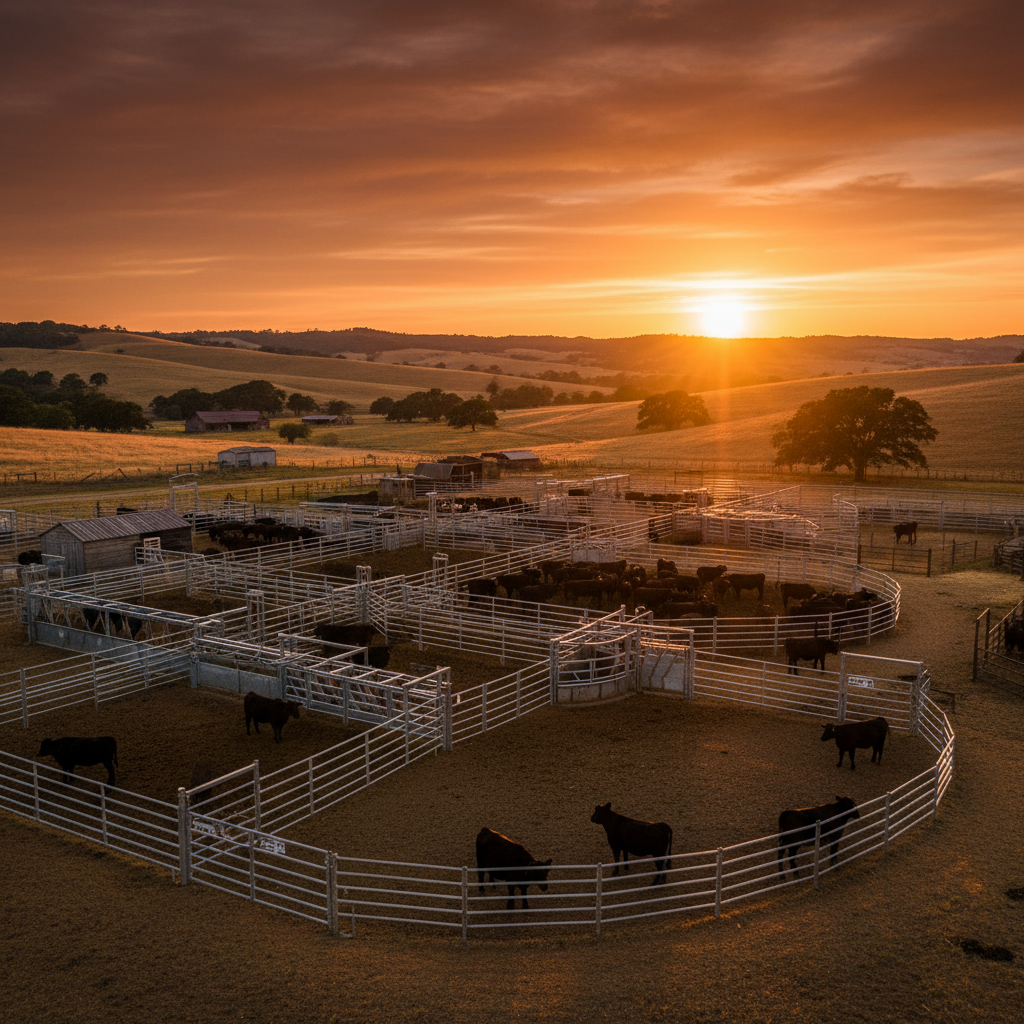
Your Complete Cattle Chute Resource
Cattle Chutes &
Handling Equipment
From squeeze chutes and hydraulic systems to portable setups and complete alley configurations. Everything you need to handle cattle safely, efficiently, and with less stress on animals and operators.
4,800+
Monthly Searches
$2.5K
Starting Price (Manual)
20+ Yr
Average Equipment Life
2x
Faster Processing
What Are Cattle Chutes?
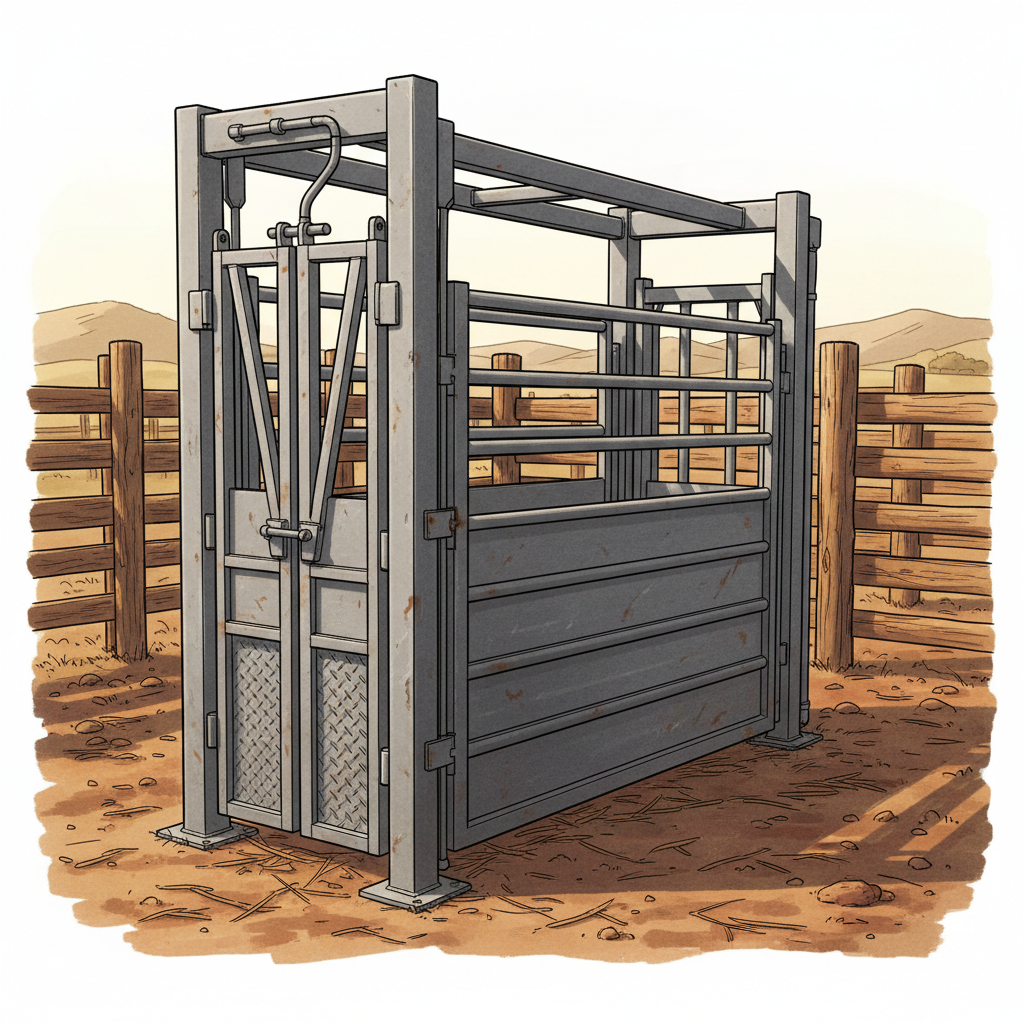
Cattle chutes are specialized livestock handling equipment designed to safely restrain individual animals for veterinary care, vaccinations, tagging, branding, pregnancy checking, and other routine management procedures. The squeeze chute is the centerpiece of any cattle handling facility.
Modern systems range from basic manual squeeze chutes suitable for small cow-calf operations to fully hydraulic, computer-integrated handling systems used by large feedlots and veterinary practices. A complete working facility typically includes a holding pen, crowding tub or Bud Box, curved alley, and squeeze chute with headgate.
Squeeze Chutes
Headgates
Working Alleys
Crowding Tubs
Industry Standard Since
1950s
Types of Cattle Chutes
From manual squeeze chutes to full hydraulic systems with integrated scales. Find the right configuration for your operation size, budget, and handling needs.
Manual Squeeze Chutes
Cost-effective option for small to mid-size operations. Operated by hand levers and cables, manual chutes require more physical effort but offer reliable restraint. Best for ranches processing fewer than 200 head per session.
- Lower upfront cost
- Simple maintenance
- No power source needed
- Lightweight and portable options
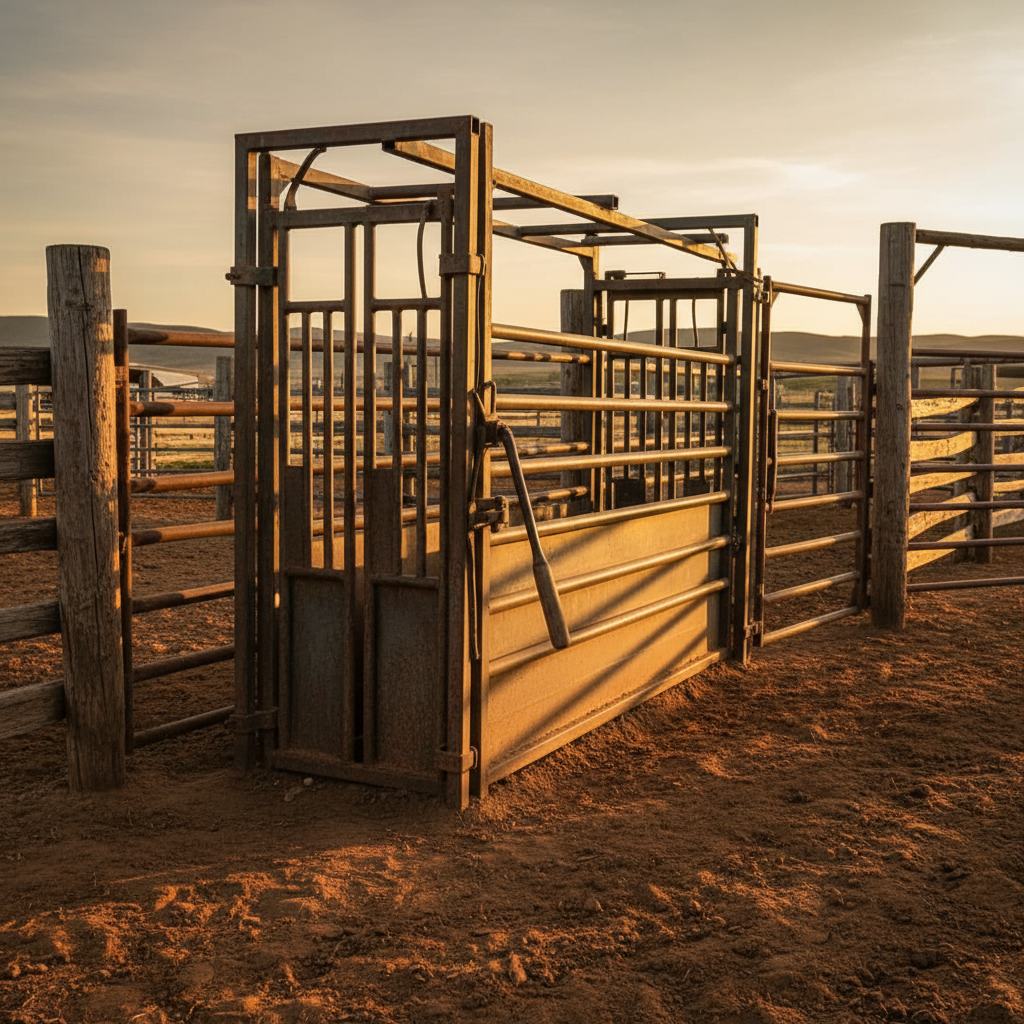
Hydraulic Squeeze Chutes
Premium restraint systems powered by hydraulic cylinders for smooth, consistent pressure. Reduces animal stress and operator fatigue. Ideal for feedlots, veterinary operations, and ranches handling large herds regularly.
- Consistent squeeze pressure
- Reduced labor requirements
- Quieter operation
- Faster processing times
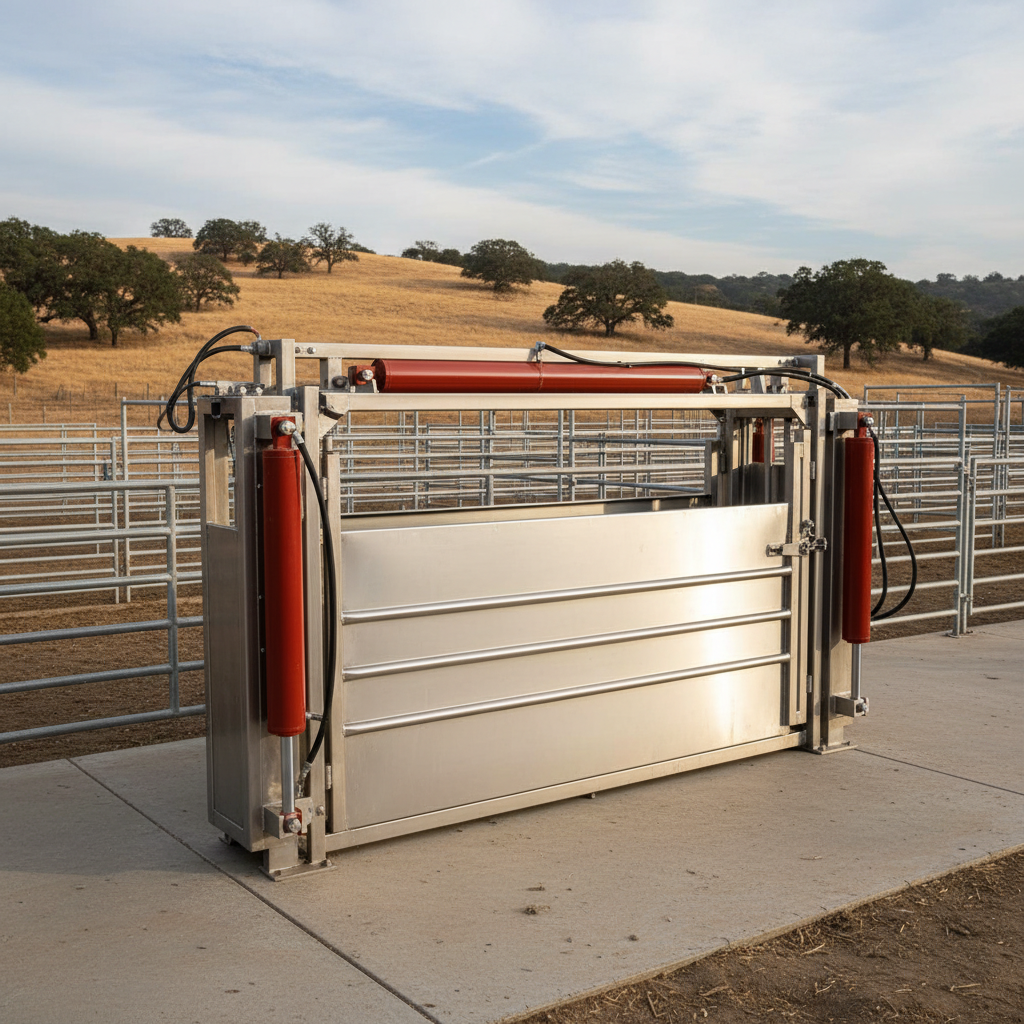
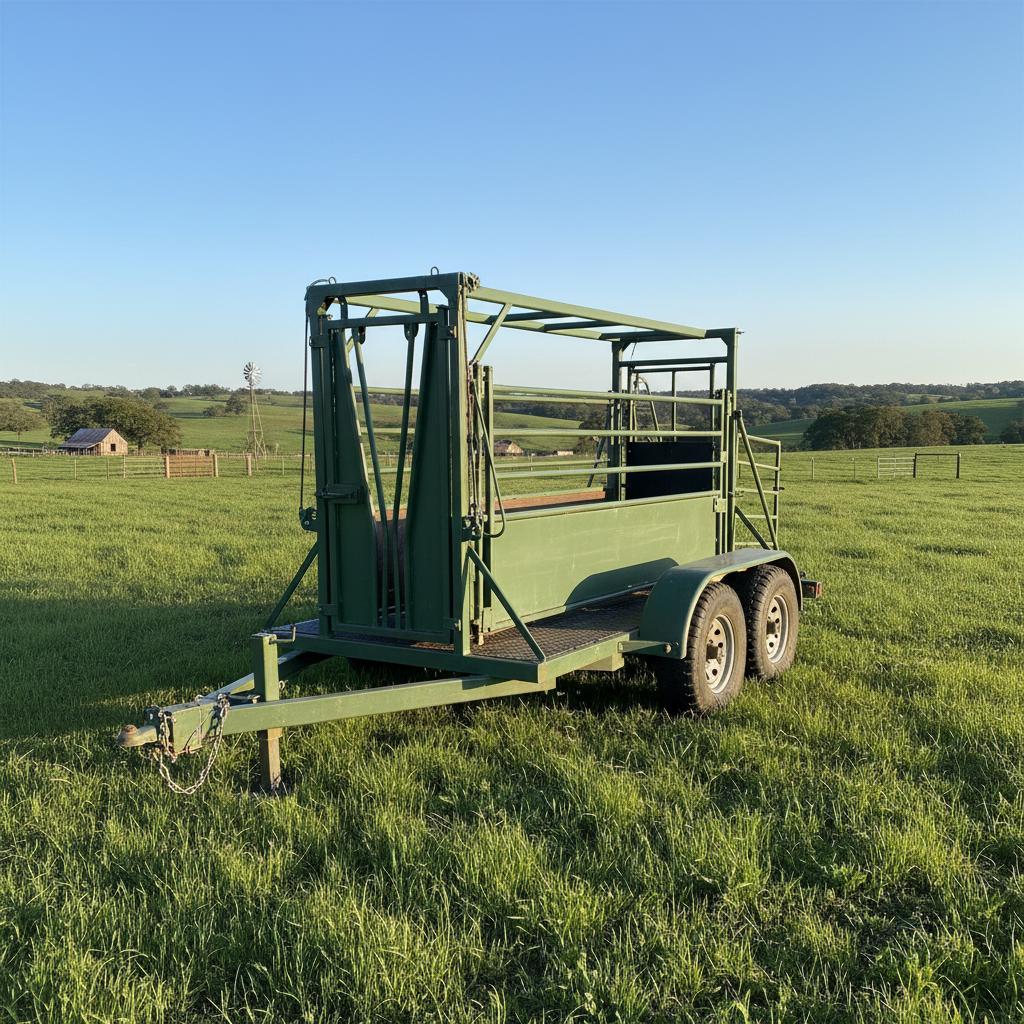
Portable Cattle Chutes
Mobile handling solutions designed to be towed between pastures and properties. Built on trailer frames or skid mounts, portable chutes bring the working facility to the cattle instead of moving the herd.
- Towable between locations
- Quick setup and teardown
- Pasture-ready design
- Multiple size options
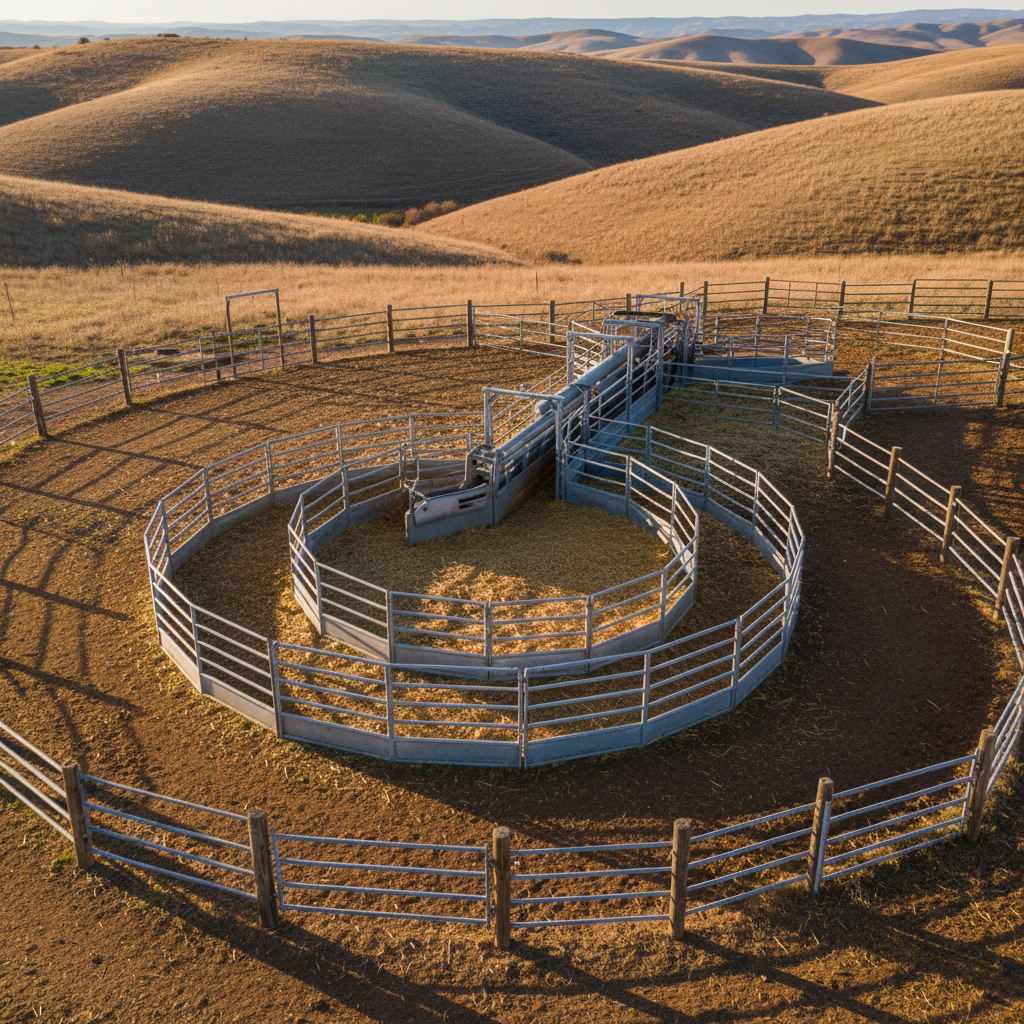
Cattle Alleys and Crowding Tubs
Complete handling systems that work together with squeeze chutes to move cattle efficiently. Curved alleys exploit natural bovine behavior, reducing balking and stress while improving flow rates through the system.
- Curved design reduces stress
- Adjustable width panels
- Solid or see-through sides
- Connects to any chute brand
How to Choose the Right Cattle Chute
Selecting the right chute depends on your herd size, handling frequency, budget, and whether you need a permanent or portable solution.
01
Assess Your Herd
Count your head, determine processing frequency, and identify the types of procedures you perform most. This drives whether you need manual, hydraulic, or a complete system.
02
Choose Your Power
Manual chutes suit smaller operations under 200 head. Hydraulic systems are worth the investment for operations processing cattle weekly or handling 300+ head at a time.
03
Plan Your Layout
Consider your property layout, existing corrals, and whether cattle need to be worked at multiple locations. This determines if you need portable, permanent, or both.
04
Compare Features
Evaluate headgate style (stanchion vs. scissors), side access panels, bottom panel options, scale integration, palpation cage access, and noise levels across brands.
Key Features to Look For
The features that separate a good cattle chute from a great one. These details affect processing speed, animal welfare, and long-term durability.
Self-Catching Headgate
Stanchion or scissors-style headgates that automatically capture the animal as it walks through. Reduces the need for manual intervention and speeds up processing.
Full Side Access
Swing-out or drop-down side panels provide complete lateral access for veterinary procedures, injections, blood draws, and ear tagging without releasing the animal.
Integrated Scales
Built-in load cells and digital readouts capture accurate weights during routine processing. Eliminates separate weigh days and provides real-time data for management decisions.
Removable Bottom Panel
Swing-out or removable floor sections allow hoof trimming, leg treatment, and branding access from below without repositioning the animal.
Rubber-Padded Squeeze
Padded squeeze sides apply firm, even pressure without bruising. Reduces hide damage and meat quality issues while keeping the animal calm and secure.
Palpation Cage Access
Rear access gate and palpation cage allow safe pregnancy checking and AI (artificial insemination) procedures. Essential for cow-calf operations managing breeding programs.
Safety Considerations
Cattle handling is one of the most hazardous activities on a ranch. Proper equipment, training, and facility design are essential to protecting both handlers and animals. The right chute setup dramatically reduces the risk of injury.

Proper Positioning
Always stand to the side of the chute, never directly behind an animal. Use the chute's side access panels to perform procedures rather than reaching over the top where a sudden movement could cause injury.
Equipment Inspection
Check all latches, hinges, headgate mechanisms, and hydraulic lines before each use. A stuck headgate or failed latch during processing can release an agitated animal unexpectedly.
Non-Slip Surfaces
Install rubber mats or textured steel flooring in the chute and approach alley. Cattle that slip and fall in the chute become panicked, creating dangerous situations for both animal and handler.
Noise Reduction
Minimize metal-on-metal clanging by adding rubber bumpers to gates and latches. Hydraulic chutes are inherently quieter than manual models, reducing flight zone responses.
Proper Lighting
Ensure even, shadow-free lighting in the working area. Cattle balk at shadows and sudden changes in light levels. Avoid working cattle facing directly into bright sunlight.
Training and BQA Compliance
All handlers should complete Beef Quality Assurance (BQA) training. Proper low-stress handling techniques reduce injuries, improve meat quality, and demonstrate responsible animal care.
Applications and Uses
Cattle chutes are essential for virtually every routine management procedure. Here are the primary applications where quality handling equipment makes a difference.
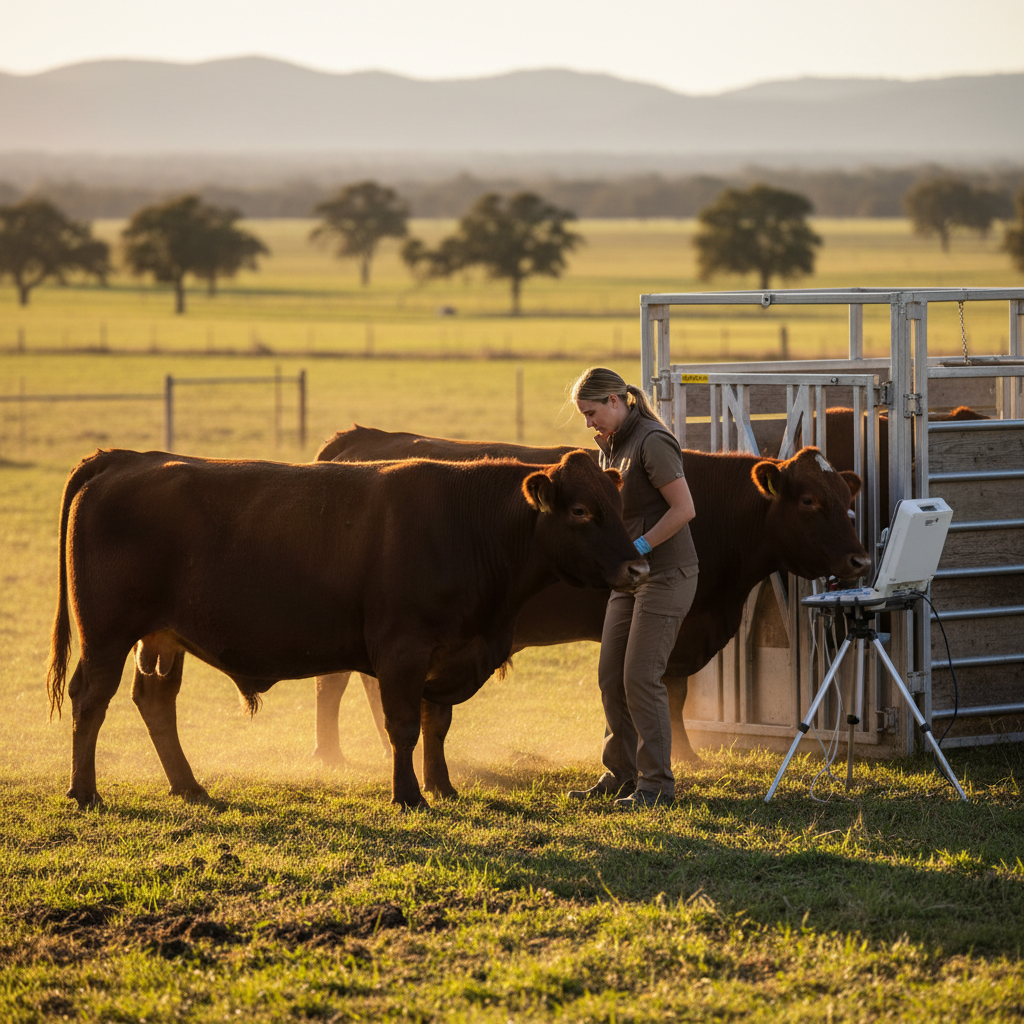
Vaccination Programs
Administer vaccines, boosters, and parasite treatments efficiently with secure restraint and easy access to injection sites.
Pregnancy Checking
Palpation and ultrasound pregnancy diagnosis through the rear access cage. Critical for cow-calf operations managing breeding herds.
Ear Tagging and Identification
Apply RFID tags, visual ear tags, and brands for herd identification, traceability, and compliance with national animal ID programs.
Health Assessments
Conduct body condition scoring, dental checks, and general health evaluations. Identify sick or injured animals during routine processing.
Sorting and Weaning
Separate calves from cows, sort by weight class, or divide herds for different management groups using the chute as a controlled sorting point.
Hoof Trimming
Access hooves through removable bottom panels for trimming, treatment of foot rot, and application of topical medications.
Maintenance Guide
A well-maintained cattle chute lasts 20 to 30 years. Neglected equipment fails when you need it most, typically during the busiest processing days. Follow this maintenance schedule to protect your investment and keep your operation running safely.
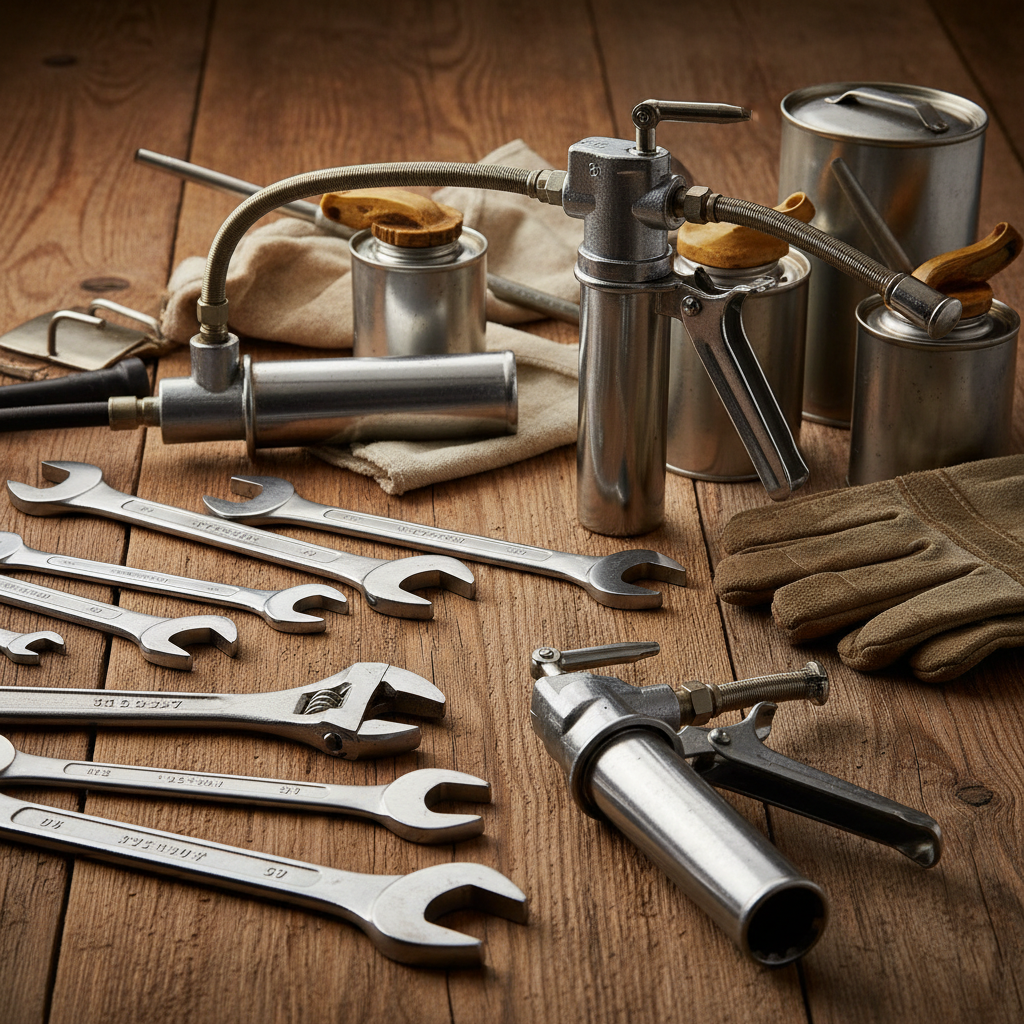
Grease All Pivot Points
Every 30 days or before each use
Apply marine-grade grease to headgate pivots, squeeze arm hinges, tailgate pins, and all moving joints. Lack of lubrication is the leading cause of premature equipment failure.
Check Hydraulic System
Monthly
Inspect hydraulic lines for cracks, leaks, and wear. Check fluid levels and top off with manufacturer-recommended hydraulic fluid. Replace lines showing any signs of deterioration.
Inspect Headgate Pads
Seasonally
Check rubber headgate pads and squeeze panels for cracks, tears, and excessive wear. Worn pads can injure animals and reduce holding effectiveness. Replace at the first sign of deterioration.
Tighten Hardware
Before each processing session
Walk the entire system checking bolts, pins, and fasteners. Cattle exert tremendous force on equipment, and hardware loosens over use. Keep a socket set and spare bolts on hand.
Corrosion Prevention
Annually
Touch up paint chips and scratches with cold-galvanizing compound or matching paint. Pay special attention to welds and joints where moisture collects. Pressure wash and dry before applying coatings.
Electrical Systems
Seasonally
Test all electrical connections on hydraulic pumps, scale readouts, and RFID readers. Clean battery terminals, check wiring for rodent damage, and verify backup power sources are charged.
Top Cattle Chute Brands Compared
The leading manufacturers in livestock handling equipment, each with decades of proven performance on working ranches and feedlots across North America.
| Brand | Specialization | Chute Types | Price Range | Best For |
|---|---|---|---|---|
| Priefert | Full-line handling systems | Manual, Hydraulic, Portable | $$-$$$$ | All operation sizes |
| Powder River | Heavy-duty ranch equipment | Manual, Hydraulic | $$$-$$$$ | Large ranches and feedlots |
| Hi-Qual | Value-oriented handling | Manual, Semi-Hydraulic | $$-$$$ | Mid-size cow-calf operations |
| Pearson Livestock | Innovative squeeze chutes | Manual, Hydraulic, Portable | $$-$$$$ | Low-stress handling priority |
| Arrowquip | Australian-designed systems | Manual, Hydraulic | $$$-$$$$ | Quiet hydraulic power |
| Moly Manufacturing | Budget-friendly options | Manual, Portable | $-$$ | Small operations and hobby farms |
Frequently Asked Questions
Common questions about selecting, using, and maintaining cattle chutes and livestock handling equipment.
Get Expert Guidance on Cattle Chutes
Whether you are outfitting a new facility, upgrading existing equipment, or need advice on the right handling system for your operation, we can help connect you with the best solutions.
Personalized equipment recommendations
Manufacturer comparisons and pricing
Facility layout and design guidance
Used equipment and trade-in resources